
The Window Before Opening
Before the door is unlocked, the window is already awake.
A shopkeeper crouches behind the glass, moving a basket two inches to the left, then back again. She has not opened yet. The sign still reads CLOSED, propped at a slight angle against a jar of dried lavender. Outside, a man walking his dog slows without meaning to, looks in, and keeps walking.
The window doesn’t know it has an audience.
It is arranged the same way it was arranged yesterday, and the day before that — not for anyone in particular, simply because this is how it is done.
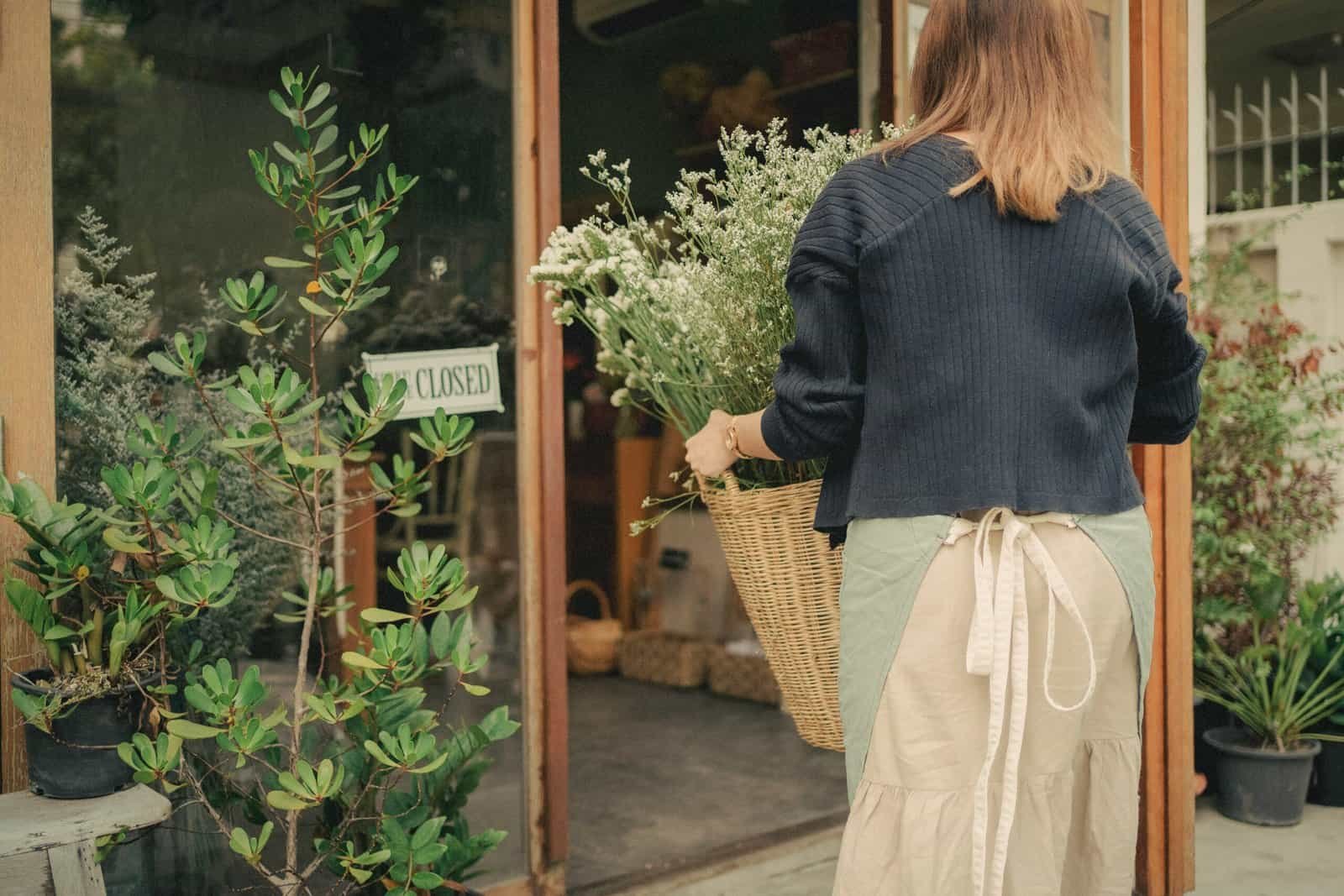
The window is dressed before the door is unlocked.
The Grammar of a Display
Look at how a window has been arranged, and a logic starts to reveal itself — one its owner rarely explains, because to them there is nothing to explain. The bread goes toward the light. The most delicate flowers stay near the back, out of direct sun. A folded scarf is refolded, though no customer would have noticed the difference.
This is not staging in the way a photograph is staged. No one is waiting to capture it. The arrangement exists because the shopkeeper has decided, without quite deciding, what the window should say before a single word is spoken.
A stack of ceramic bowls. A hand-lettered price tag, slightly crooked. A cat asleep on the counter, visible only from the knees down.
The window says: come in, if you’d like. It rarely says more than that.
STUDIO VELA NOTE
A shop window is written in a language its owner has stopped noticing they speak. Even a bakery display, rearranged before the first loaf has cooled, becomes part of that language.
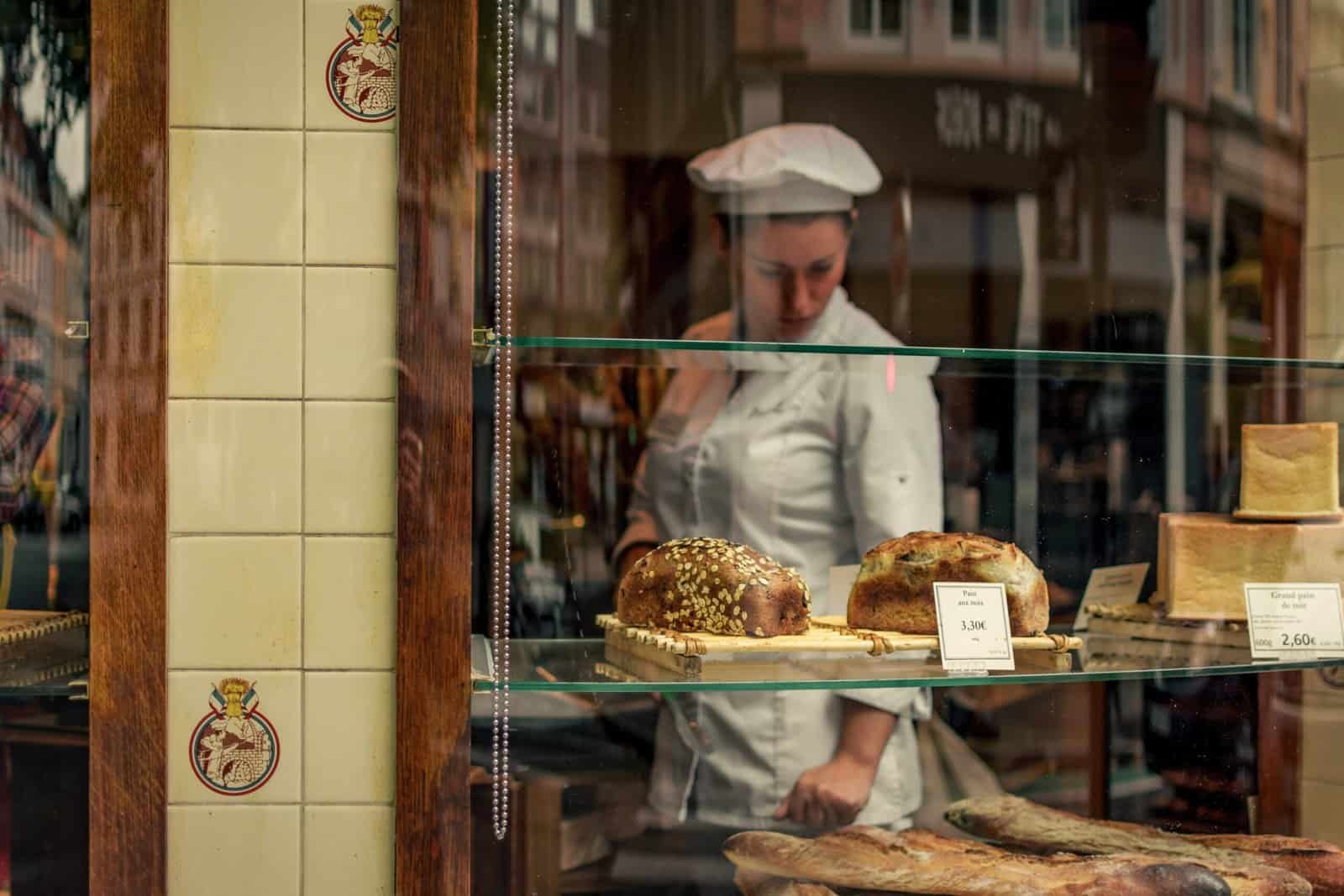
Others borrow their light from the street.
What the Glass Holds Back
The glass rewards a second look. Stand outside a storefront long enough and the pane begins to hold two worlds at once: the display inside and the street behind you — reflected, faint, moving.
A cyclist crosses through the reflection of a vase of dried flowers. A woman adjusting her scarf appears, briefly, layered over a shelf of secondhand books. For a moment the window is less a boundary and more a kind of overlap, the inside and the outside occupying the same pane of glass without quite touching.
Shopkeepers rarely think about this. They are focused on what’s inside the frame, not what the frame is doing to the street outside it.
“A window doesn’t just show you the shop. It shows you where you’re standing.
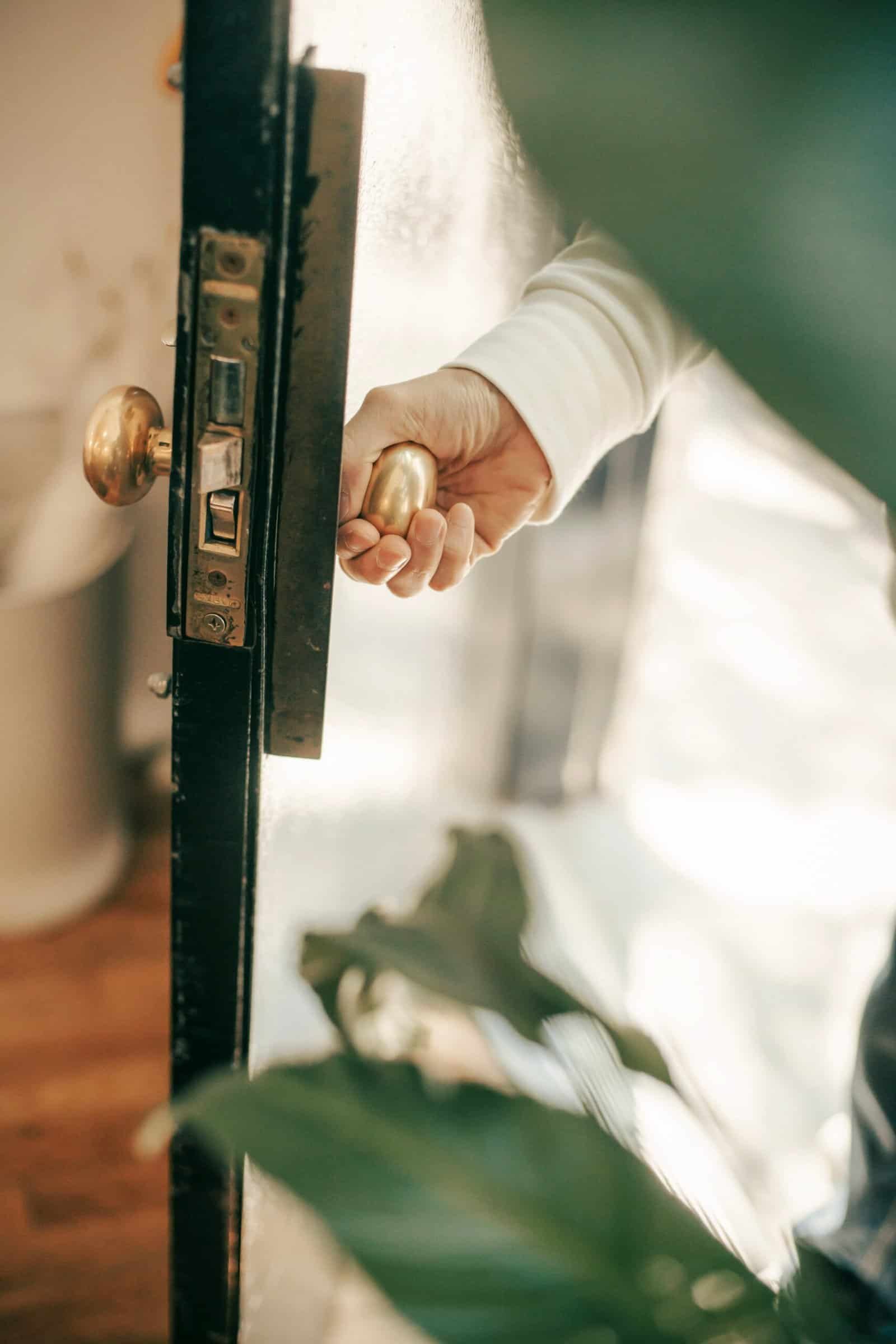
A handle worn warm by hands it never counted.
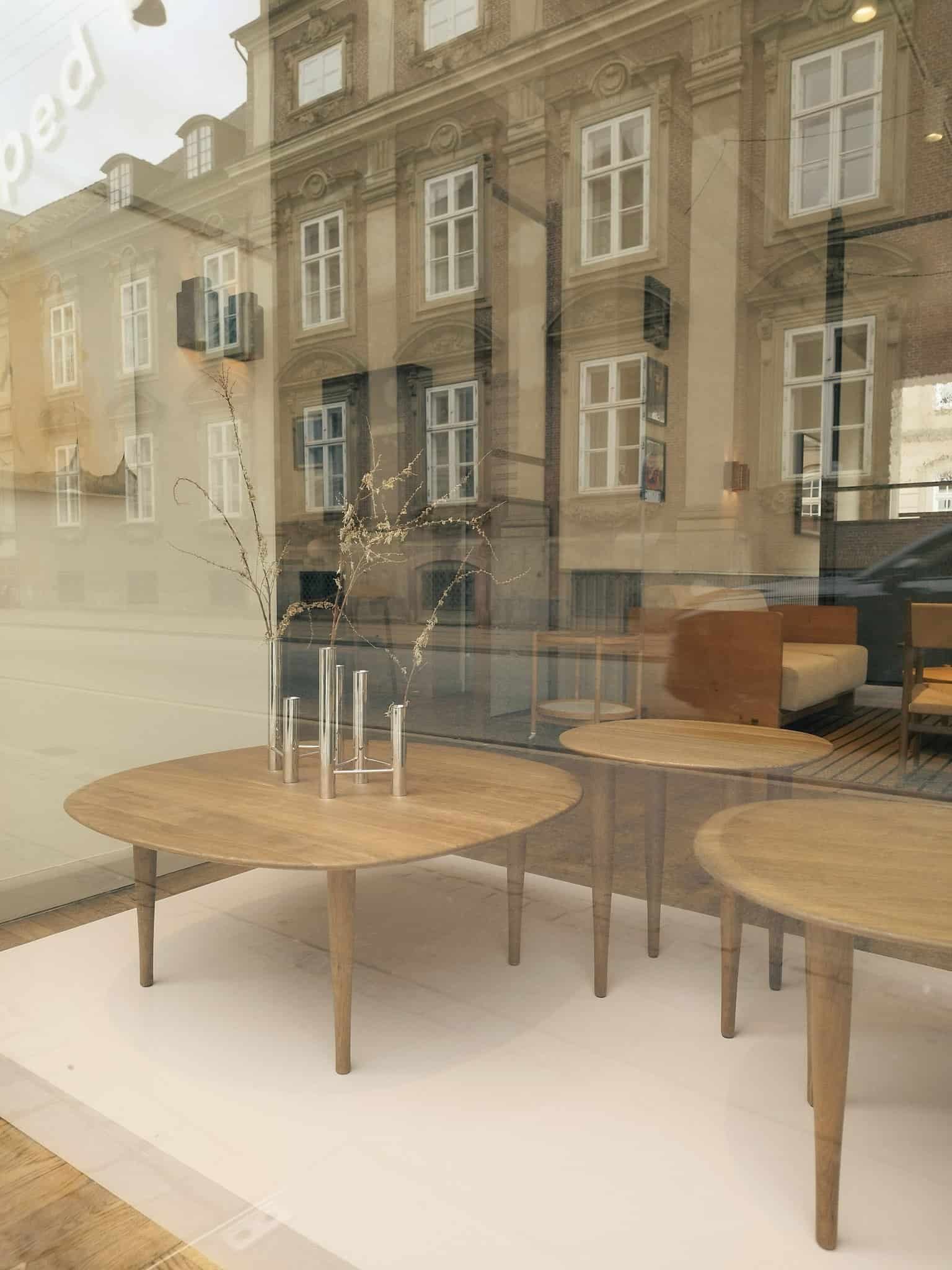
The street finds its way in before any customer does.
The Hours No One Sees
A storefront has a quieter life before the shop opens — dimmer, slower, mostly unwitnessed. The other is the one customers know: lit, open, door propped for the afternoon.
This is when the real decisions are made. Which apples go to the front of the crate. Whether the green door needs paint this year or can wait another. Where the new delivery of ribbon should live, and whether last week’s display has earned one more day before it’s taken down.
A florist waters the plants lined along her window and checks the sky before going back inside. A baker wipes flour from the glass with the side of her hand, distracted, already thinking about the next tray. None of this is for anyone. It simply has to be done, and someone is there to do it.
By the time the first customer arrives, hours of quiet decisions have already been made on their behalf, and they will never know it.
Thresholds That Remember
Notice what has been touched and worn over time, and a door handle is often the first place to show it — darkening before a window ever does. It is the part of the shop touched most, and so it changes first: brass gone soft and warm-toned where thousands of hands have turned it the same half-circle, morning after morning.
The step below the door wears differently too, often hollowed almost imperceptibly at the centre, where feet have crossed for longer than anyone currently working there has been alive. A hand-painted sign above the window has been repainted at least twice, in nearly the same lettering both times, because changing it entirely felt like changing something it wasn’t the shop’s place to change.
None of this was designed. It simply accumulated, the way most things a place is loved for tend to.
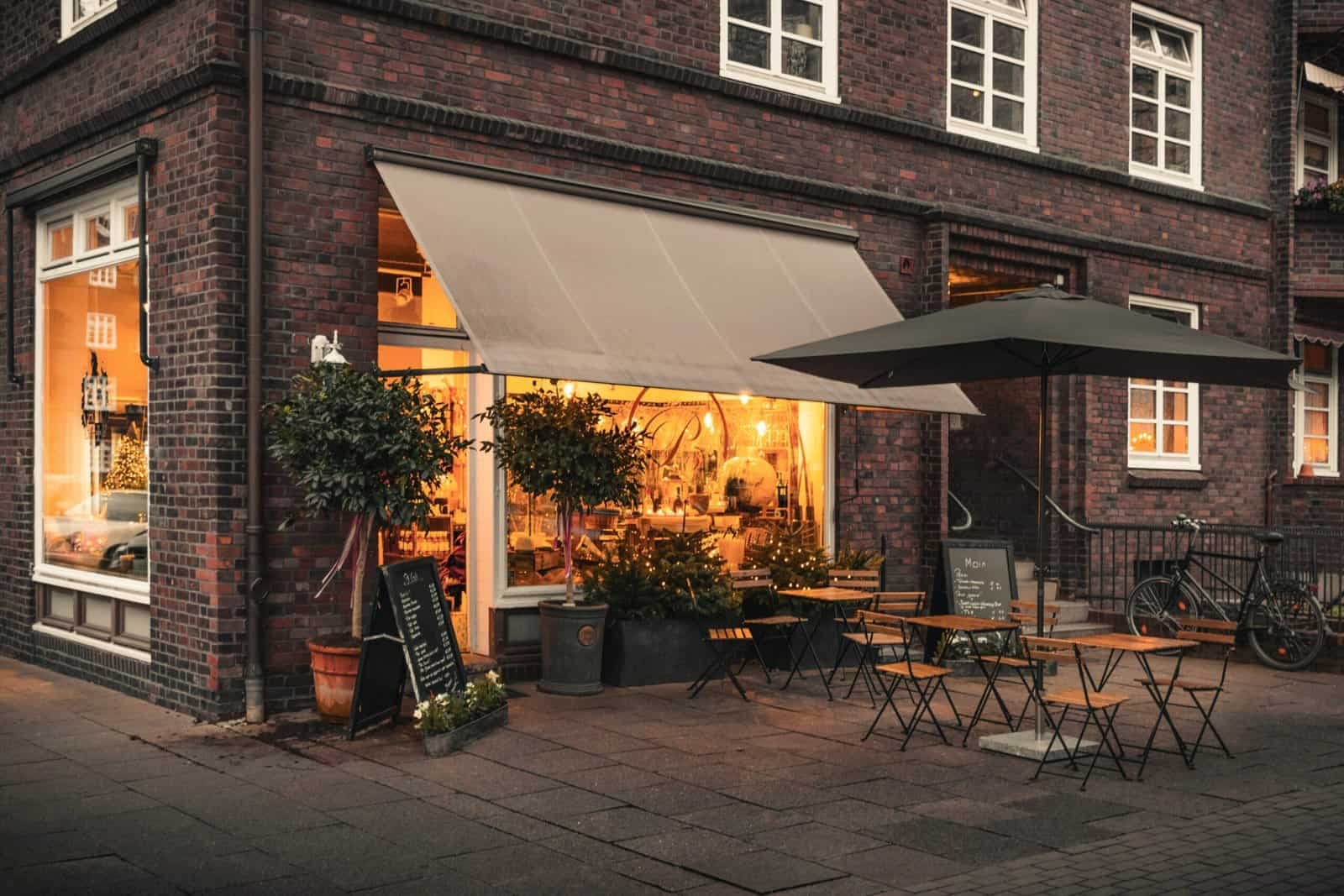
Some windows are lit from within.
What Stays With You
What wasn’t designed is often what stays. Years later, most storefronts blur together — the ones photographed quickly, glanced at, filed under ‘charming’ and forgotten by the following week.
But certain windows stay. Not the ones with the most elaborate display, but the ones that felt, even briefly, like they belonged to someone in particular. A hand visible for a moment, adjusting something no customer asked to be adjusted. A cat in a spot it has clearly claimed before. A price written slightly wrong and left that way, because correcting it wasn’t worth disturbing the display.
Ask someone what they remember of a street, and they will often describe a window before they describe the shop itself — what was in it, how the light fell across the glass, whether anyone was moving behind it.
Studio Vela Reflection
A window is dressed for no one, and remembered by everyone.
A shop window rarely tries to be photographed. It only tries to be arranged well enough that someone, passing by without any particular intention, decides to slow down.
Somewhere right now, a door is being unlocked for the first time today, a bell still swinging slightly from the motion. A window display waits in the last light before the shop’s own lamps take over. A hand reaches in from just out of frame to move something two inches to the left, then leaves it there.
No one outside has seen this yet.
By the time they do, it will already look as though it had always been this way.
-
The Window Before Opening
Read story → : The Window Before OpeningA guide to noticing European storefronts — not what to visit, but how to look at…
-
At the Café Table
Read story → : At the Café TableThe coffee is almost beside the point. A quiet editorial essay about choosing a table, watching…